

Batt Insulation Installation
There is a wrong way and a right way
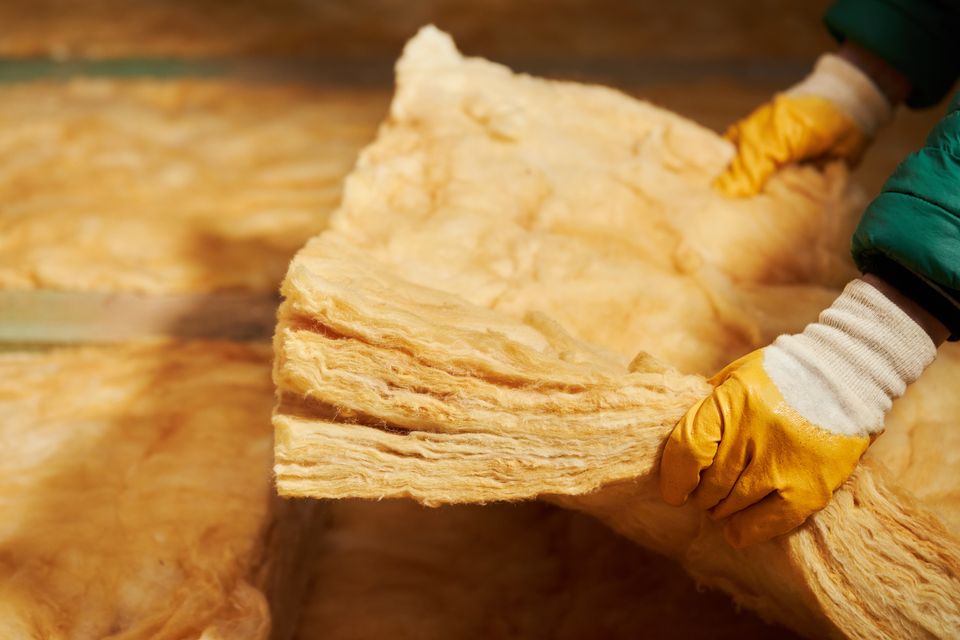
How it works and benefits
How it's installed
- Thermal and acoustic performance: The dense fibers in batt insulation create a thermal barrier that reduces heat transfer and can dampen sound, improving energy efficiency and reducing noise from outside or between rooms.
- Air and moisture control: Faced batts include a vapor barrier to help control moisture. When installed correctly, they also provide a barrier against air infiltration.
- HVAC efficiency: By maintaining a consistent indoor temperature, batt insulation can improve the performance of your HVAC system.
- Mold prevention: By controlling moisture and air flow, batt insulation helps to prevent mold growth.
How it's installed
- Batt insulation is typically installed in the spaces between wall studs, ceiling joists, and floor joists.
- It comes in pre-cut sizes to fit standard 16-inch or 24-inch on-center framing.
- The material is pushed into the cavities, and for the best performance, should fit snugly without being compressed.
- Proper installation is crucial: Gaps or voids around pipes, wires, and beams can significantly reduce the insulation's effectiveness and lead to energy loss. Some experts recommend professional installation for optimal results, especially with fiberglass batts.